⚡ THE EXECUTIVE BRIEFING
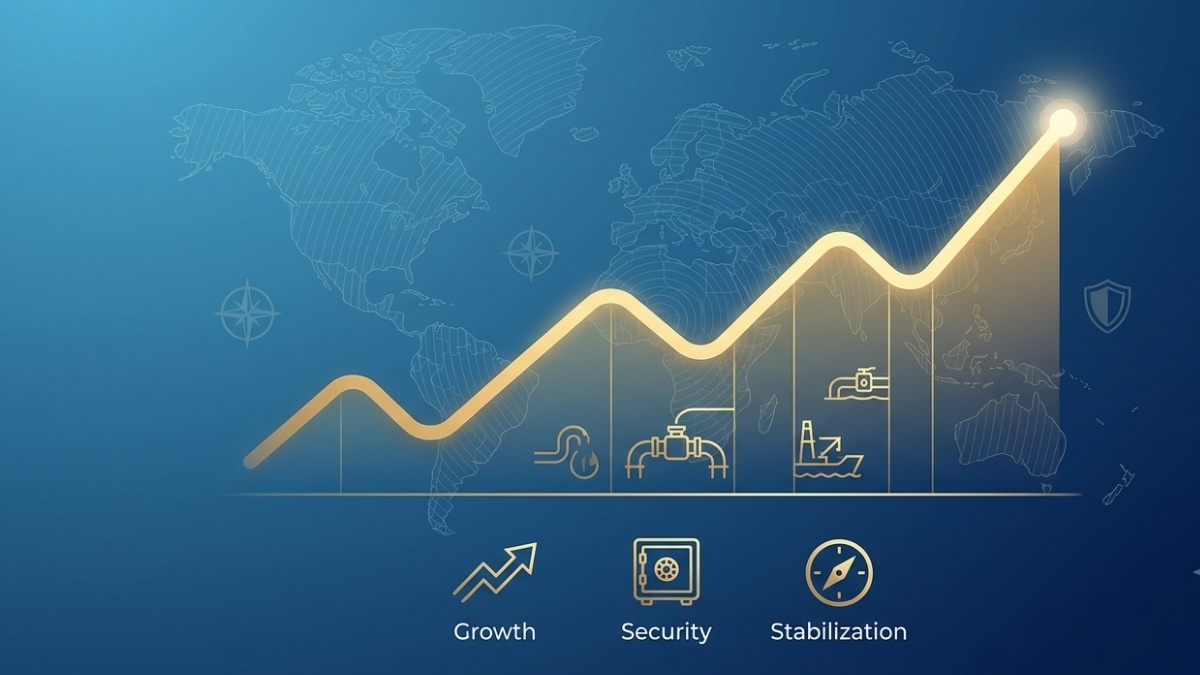
- The Flash Situation: Global financial markets are attempting a fragile recovery as high-stakes diplomacy creates a wave of short-term relief across trading desks.
- The Oil Paradox: While crude oil prices have backed off from their extreme peaks, actual transit costs and war risk premiums are stubbornly refusing to fully stabilize.
- The Persistent Friction: Under-the-surface geopolitical anxieties remain incredibly thick, leaving international supply chains and shipping corridors on a continuous trigger warning.
- The Long-Term Impact: Deficit spending on national security and sticky infrastructure costs mean central banks are highly likely to keep interest rates restrictive for longer.
- The Ultimate “What If”: If ongoing negotiations collapse and regional warfare flares up again, the global economy faces a severe stagflationary shock and an aggressive bond market sell-off.
If you looked at your investment dashboard today, you likely noticed a welcome flash of green. After weeks of high-stakes volatility, global stock benchmarks and high-growth tech equities are pushing through a strong, headline-driven relief rally. Here at Tech Profit Stack, we are directly tracking these breaking developments to help you answer the multi-million dollar question: Is this sudden rebound a genuine turning point for a stabilizing global economy, or are we simply standing in the brief eye of a much larger macroeconomic storm?
The immediate scenario driving today’s market momentum is a delicate dance between war and peace. Delegations have resumed intense, high-level negotiations behind closed doors, fueling immense optimism that a long-term ceasefire framework can finally be locked in.
As institutional capital rushes back into semiconductor supply chains and artificial intelligence hardware infrastructure, retail sentiment is rapidly turning greedy. But as your partners in wealth building, we urge you to look past the surface hype. While the panic has temporarily paused, the fundamental structural layout of global finance has permanently shifted, and the under-the-surface tension is still incredibly thick.
The Price Stabilization Illusion: What’s Actually Happening to Commodities?
Let’s look at the immediate facts regarding your everyday portfolio assets. During the peak of recent regional combat, severe naval blockades and threats to critical maritime chokepoints sent global energy markets into absolute hyperdrive. Raw speculation and supply panic pushed oil benchmarks to eye-watering levels.
Today, the macro landscape looks significantly calmer. Increased production outside the conflict zones and temporary diplomatic alignments have successfully dragged crude oil prices back down from their alarming peaks.
However, if you are waiting for consumer prices and shipping logistics to completely stabilize, the hard truth is that the recovery is highly uneven. While oil tanker traffic through major channels has slowly started to ticks upward, actual war risk insurance premiums for cargo vessels remain virtually unchanged from their peak weeks. Commercial shipping lines are still absorbing heavy maritime surcharges because the threat of sudden local re-escalations remains highly persistent. This tells us that while the immediate bleeding has stopped, the real-world cost of moving physical goods across the globe is still structurally elevated.
The Hidden Long-Term Impact: Why Interest Rates are Staying Elevated
For your personal wealth portfolio, the ultimate takeaway of this fragmented landscape comes down to the cost of money. At the start of this cycle, the dominant retail narrative predicted that central banks would rapidly slash interest rates to boost economic growth.
That thesis has been thoroughly dismantled by the realities of modern economic warfare. Because supply chain friction and energy market volatility linger even during active peace talks, underlying inflation remains incredibly sticky.
Consequently, global central banks are maintaining a highly restrictive policy stance. When interest rates stay “higher-for-longer,” borrowing costs spike, mortgage pressures intensify, and speculative liquidity dries up. This dynamic creates a severe capital squeeze for emerging markets and high-debt corporations, proving that we are no longer operating in the frictionless, easy-money era of the past decade.
The Critical “What If”: What Happens if Warfare Flares Up Again?
We must always prepare our portfolios for the absolute worst-case scenario: What happens if current peace negotiations completely shatter and active warfare rises again?
If regional escalations resume, the global economy will instantly collide with a brutal stagflationary shock. Energy economists warn that a renewed, permanent shutdown of primary energy straits would trigger an unprecedented global power crisis, sending crude oil prices rocketing past all-time highs.
In that extreme downside scenario, global equity indices will experience immediate, aggressive declines. Furthermore, we would likely witness a historic global bonds market sell-off as fixed-income investors aggressively dump debt to run toward the safety of hard commodities and localized infrastructure assets. If the war fires back up, raw cash optionality and physical real estate will be the only safe harbors left standing.
Where to Allocate Capital Today
In a market defined by stop-and-go diplomacy, building a passive portfolio will get you left behind. To systematically protect wealth against inflation shocks, the smart money is moving away from speculative digital trends and aggressively rotating into tangible, real-world assets:
- Physical AI Power Grids: The artificial intelligence revolution is a secular unstoppable force, but it is entirely bound by physical constraints. Capital is flooding into the physical backbone: localized data centers, specialized semiconductor foundries, and independent electrical grid equipment.
- Advanced National Security Infrastructure: Sovereign governments are no longer optimizing for the cheapest globalized suppliers; they are optimizing for the safest. Companies leading next-generation defense tech and domestic manufacturing loops are securing massive, recession-proof capital inflows.
- Hard Commodity Allocations: Keeping a focused allocation in tangible resources ensures your net worth expands the exact minute geopolitical flashpoints trigger sudden currency devaluations.
Navigating the Frontier Together
The overriding lesson of today’s market context is that while the current green screens look highly promising, we are still skating on remarkably thin ice. The global economy is proving to be incredibly resilient, but true portfolio mastery requires looking past temporary daily market optimism and securing the core physical assets that control the world’s supply bottlenecks.
Are you buying into today’s market recovery, or are you holding your capital defensive in case regional tensions explode again? Are you rotating your wealth into real assets or tech infrastructure? Drop your thoughts and strategies in the comments section below!
Make sure to bookmark and subscribe to Tech Profit Stack to receive our direct, authoritative market breakdowns the exact minute the global trends shift.
Disclaimer: The information provided on Tech Profit Stack is for educational purposes only and should not be construed as investment, financial, or professional advice. Always conduct your own research before making financial decisions.